

AI-generated images are used to advertise food and products at Manchester Christmas Markets have raised concerns among visitors, with some questioning whether the pictures accurately represent what is being sold.
Visitors raised concerns about the growing use of artificial intelligence (AI) in promotional designs, saying it could affect customers expectations and take away from the traditional feel of Christmas markets.
One visitor said they disliked seeing AI-generated images used to advertise food, particularly when the products did not look the same as the pictures.
They described visiting the markets with their family, where children would point to food displayed on posters. However, they felt the actual products were often smaller and less appealing than the images used to advertise them.
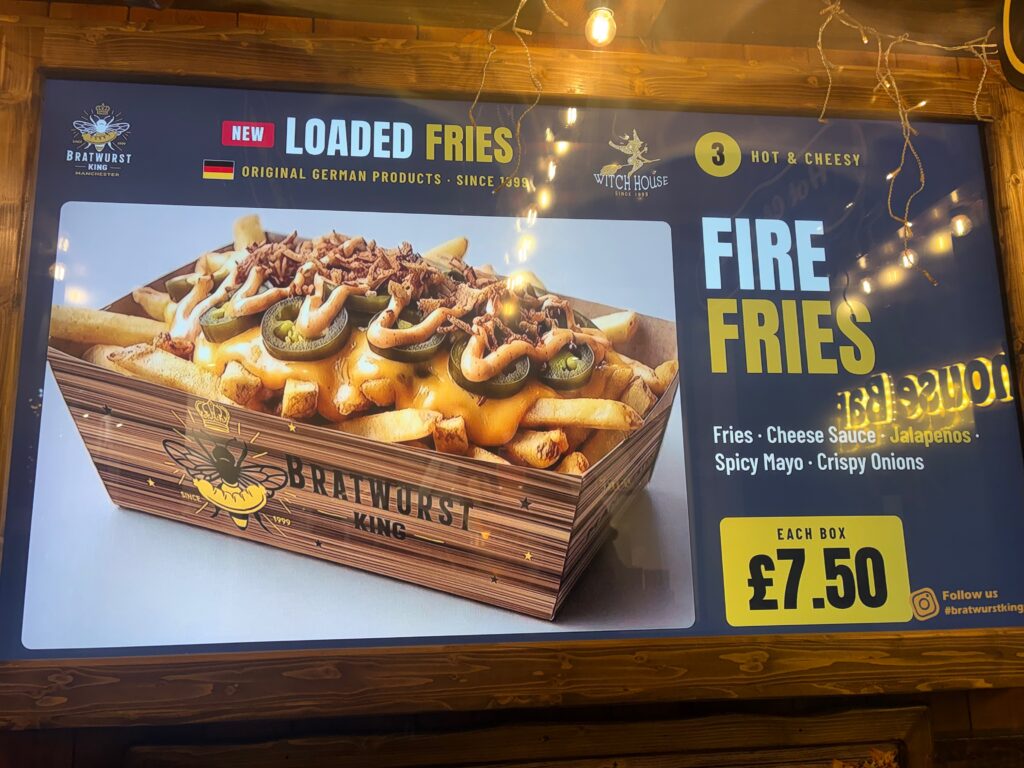
They also questioned whether customers were getting value for money when the food did not match what they had expected from the promotional pictures.
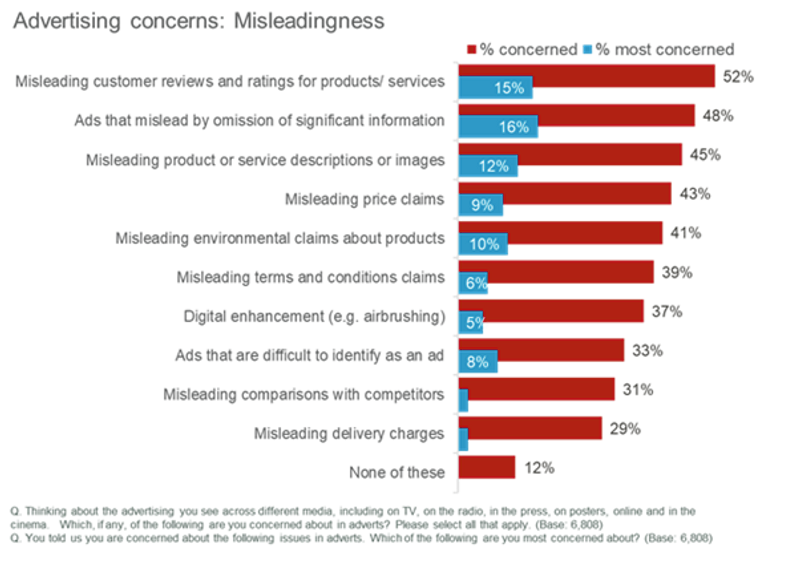
Research by the Advertising Standards Authority (ASA) found that 45% of people in the UK were concerned about misleading images or descriptions in advertisements, highlighting wider concerns about how products are presented to customers. https://www.asa.org.uk/news/understanding-advertising-misleadingness.html
Another visitor said the use of AI in product designs had changed the way they viewed Christmas markets.
“I remember seeing Yankee Candles with cosy, festive designs when visiting markets as a child but the new Ai designs does not have the same appeal and feel something had been lost.”
However, the concerns are not limited to visitors. Independent artist Laura Frances Heitzman, of LFH Studio Artist, said she found AI-generated artwork being sold at makers’ markets particularly offensive.
She said: “You can’t go to a makers market and sell pretending you’ve made it when it’s obviously AI. As an artist, it’s quite offensive.”
Laura also raised concerns about AI-generated menus and posters at food stalls, saying they could make the market look cheaper. She added: “It just really cheapens it and it cheapens the market overall.”
However, some businesses are making a point of showing that their products are created without AI.
At the “Where the Heart Is” stall, which sells locally themed artwork, prints, greeting cards and tote bags, a sign displayed to customers reads: “No AI used in these designs – all artwork is created by us.”
David Robinson, the owner of “Where the Heart is” uses original artwork across its products, showing a different approach to design at a time when AI-generated imagery is becoming more common.
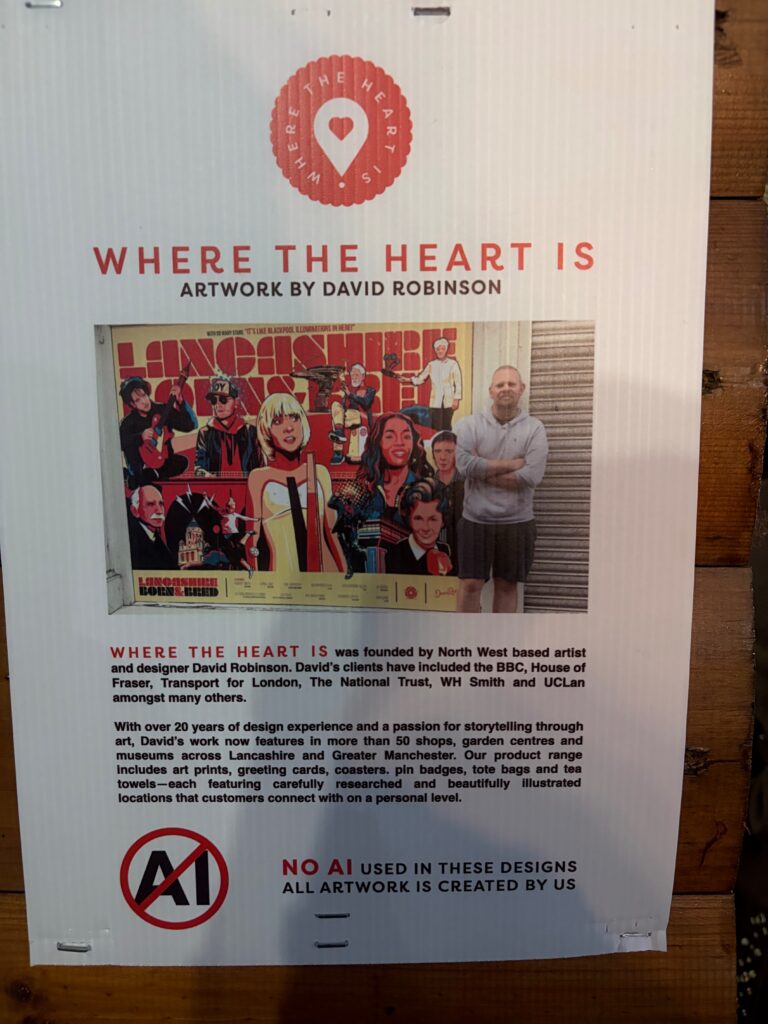
David Robinson’s wife, who helps run the stall, said the business makes it clear on its website that AI is not used in its designs. She explained that some customers have mistaken their original artwork for AI-generated work.
When asked whether AI was a threat or an opportunity for small businesses, she said: “It’s a threat, I’d say.”
She also explained what makes handmade artwork different, saying: “A lot of your heart and soul goes into it. You buy the real piece of artwork.”
For independent artists, original artwork can help give their products a recognisable identity. It also allows customers to see the creative work behind the items they are buying, rather than simply focusing on the finished product.
The debate raises questions about how AI is changing the way businesses advertise their products, as well as what customers expect when visiting the markets.
For some visitors, the concern is not simply about the technology itself, but whether it is making advertising less accurate and taking away from the creativity and character they associate with traditional Christmas markets.
As AI becomes a bigger part of advertising and design, customers are increasingly having to consider how promotional images are created and whether they give a realistic impression of what is being sold.