

Water polo is often described as one of the most physically demanding sports in the world, combining swimming, strength, and tactical awareness. However, despite its intensity and global presence, it remains a sport with limited accessibility in many parts of the UK. For many aspiring players, the barriers to entry are not about ability, but about opportunity.
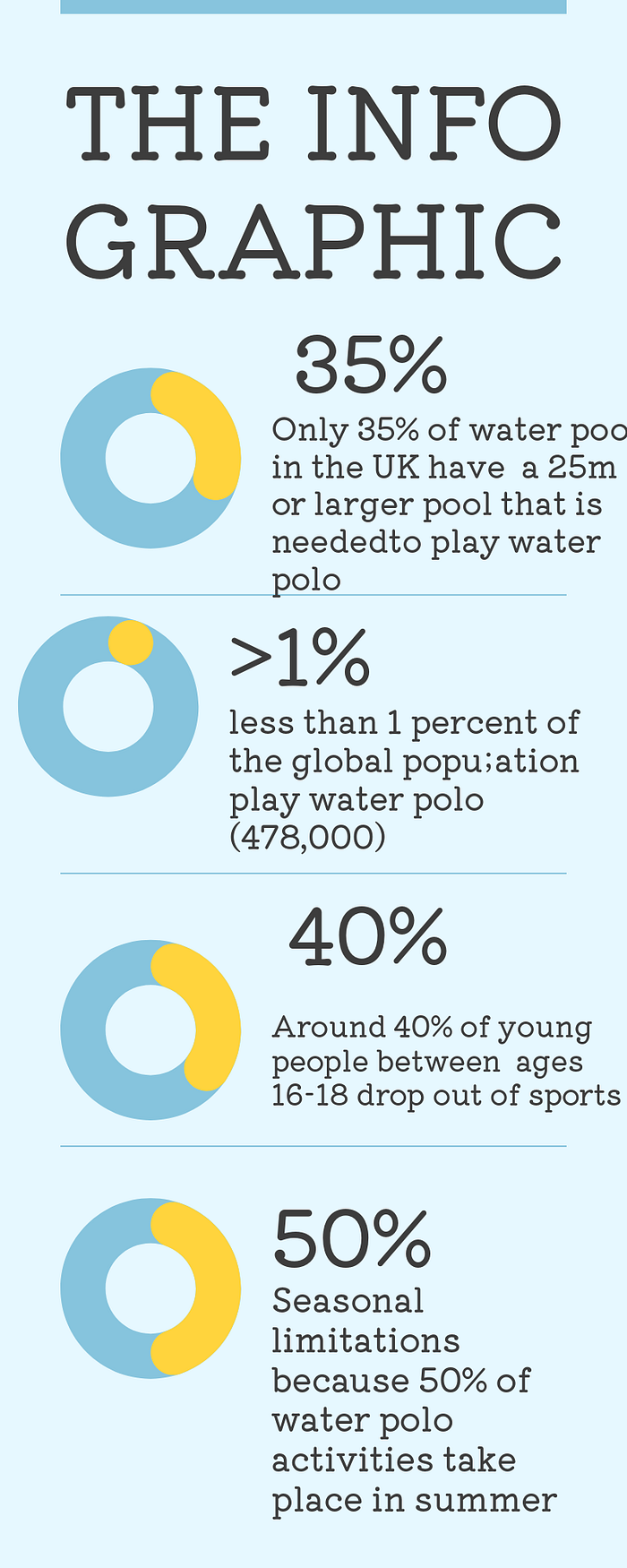
Unlike more mainstream sports such as football or rugby, water polo requires specialised facilities. Access to deep swimming pools, appropriate training times, and qualified coaching can be limited, particularly outside major cities. As a result, many players are forced to travel long distances just to train or compete. (“all the way throughout the city it’s fairly limited”)
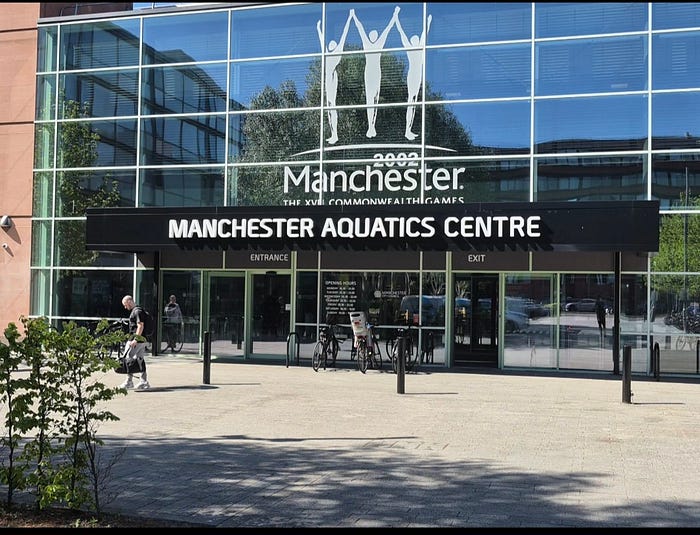
For younger athletes, this often means relying on parents or guardians to support regular travel, which can become both time-consuming and expensive. Training sessions can take up entire evenings, especially when factoring in commute times, leaving little room for balancing schoolwork or other commitments. Over time, this level of demand can discourage continued participation. (“One of the reasons i left is water polo doesn’t get enough recognition”)
The impact of this is clear: talented players are dropping out of the sport not because of a lack of passion, but because the logistical challenges become too great. In some cases, athletes may train for years, only to step away when the commitment becomes unsustainable. This raises concerns about how many potential elite players are being lost due to circumstances beyond their control.

All images are original and taken by me
Commuting also affects the sense of community within the sport. Unlike local grassroots sports where teams are built around neighbourhoods, water polo players are often spread across wide areas. This can make it harder to build consistent teams, develop strong connections, and maintain long-term engagement.
At a higher level, these accessibility issues can directly impact career pathways. For those hoping to pursue water polo professionally or represent their country, consistent high-level training is essential. However, if players are unable to commit to the required travel and time demands, their progression can stall. This creates a system where only those with the resources and flexibility to travel are able to advance. Jake says finances are “definitely” a factor when playing water polo.
There is also a wider issue of visibility. Because water polo is less accessible and less frequently covered in mainstream media, fewer young people are introduced to the sport in the first place. This contributes to a cycle where low participation leads to limited investment, which in turn continues to restrict access.
Despite these challenges, many within the sport remain passionate about its future. There are calls for increased funding, more accessible facilities, and greater support at grassroots level to ensure that players are not excluded due to location or financial barriers.
Ultimately, water polo’s accessibility problem is not about the sport itself, but the infrastructure surrounding it. Without change, the risk is that participation will continue to decline, and talented athletes will continue to walk away. For a sport with so much to offer, improving access could be the key to unlocking its full potential.
Interview link: ): https://youtu.be/RzSI8kfRtWA?is=E-Mucf6OwT2HxZGA