
How the media manipulated and controlled the narrative of Hillsborough and continued the pain and suffering that’s still felt around Merseyside 37 years later
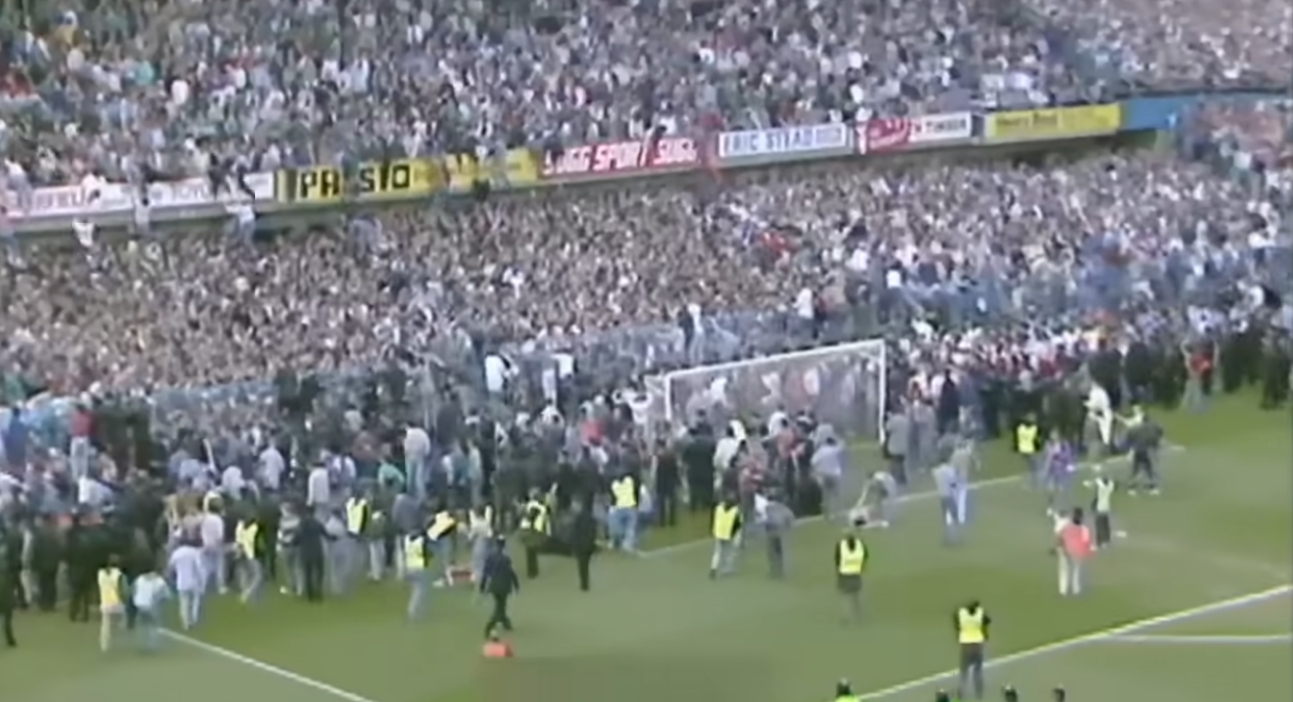
On the 15th of April 1989, one of Britain and Liverpool’s darkest sporting moments occurred in an FA Cup semi final between Liverpool and Nottingham Forest.
The clash took place at a historic but outdated ground, Hillsborough, Sheffield. Liverpool supporters were entering in through the limited number of turnstiles in the away end and with kick-off quickly approaching, the Liverpool faithful were still waiting to get inside the stadium.
Police Chief Superintendent David Duckenfield, with very little experience policing the stadium, approved orders to open an exit gate. Eight minutes before kick-off, the makeshift entrance was opened and around 2000 fans entered.
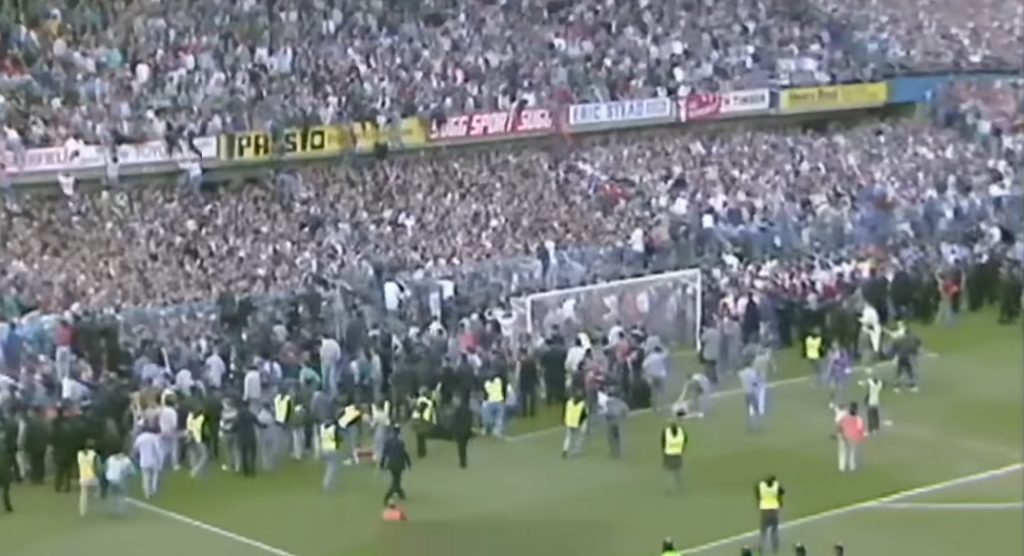
However, as these fans entered the stadium, a crush occurred in the narrow pens were the away fans stood. Police ruled the commotion to ‘unruly fans’ until 5 minutes after kick-off when the game was finally stopped.
The police never fully activated the major incident procedure. This meant that despite fans providing assistance and medical attention to one another, 95 Liverpool fans died that day and more than 750 were injured with 2 more lives lost at later dates, due to a lack of police care and communication.
I spoke to Bill Johnson, from Bootle, Liverpool, on his experience of Merseyside when this happened. He said, ‘There was not a family or friendship group that did not lose someone or knew someone at that match’. ‘The psychological impact went much further than those directly impacted’.
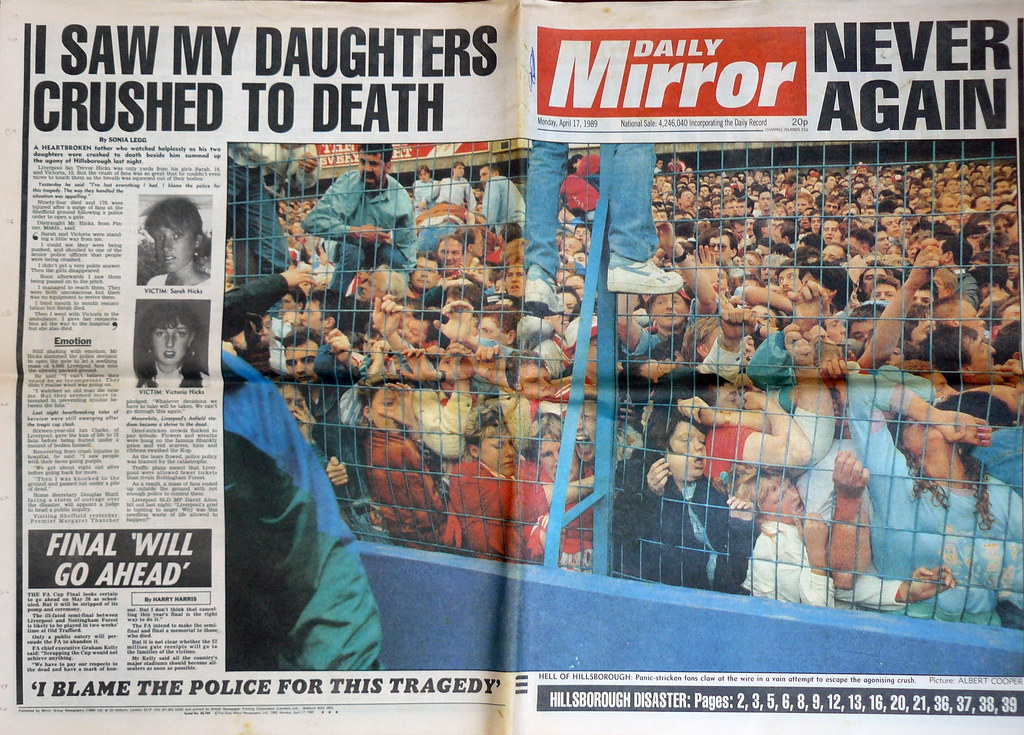
Despite the damaging effects a disaster like this would have on victims and the city overall, immediately following these events, the media created an accusatory narrative towards Liverpool fans.
After speaking to Phil Scraton, criminologist, Hillsborough investigator and leader of the research team behind the Hillsborough Independent Panel in 2012. He pointed to extracts from his reports to gain an understanding of the disaster and the consequences following.
He emphasised in his reports that tabloid news outlets like the Sun had ‘reduced the news process to the gutter’ when it came to researching a story, suggesting research had become more what was said in the newsroom, rather than real journalistic research. The Sun’s infamous coverage of the disaster, titled ‘THE TRUTH’ is a key example of this lack of accurate, ethical journalism.
Under the editorship of Kelvin MacKenzie, the Sun, or as they are now known across Merseyside as ‘the Scum’, released a story blaming Liverpool fan behaviour on the incident. The front-page story included stories of Liverpool fans attacking officers and medical staff, drunkenness and other criminal behaviour.
The article even included quotes from Conservative MP Irvine Patnick, who stated that Liverpool fans threatened sexual abuse to female victims. Kelvin MacKenzie later apologised for believing the MP as this statement was purely fictional.
The source the Sun used for this piece was the ‘white press agency’ who only used 4 Police sources as evidence, one later admitted to spreading false rumours. This demonstrated clear journalistic misconduct, as the story relied solely on a small sample of police accounts, excluded Liverpool fans and other witnesses. This produced an unbalanced, fictional narrative, labelled as ‘truth’, blaming bereaving Liverpool fans.
Scraton identified a media ‘hierarchy of access’, where reporting varied by location. Meaning that accounts of Hillsborough varied according to the original location of the news gatherers.
This explains why Liverpool fans and their suffering was underreported outside of Merseyside. Scraton continued writing on how outlets from out of Merseyside focused on interviews by experts on the rising ‘hooliganism’ in football. Feeding into the idea the troubles of Hillsborough came from drunken misbehaviour from Liverpool fans. Other newspapers focused on interviews from Police, hospital staff, witnesses and visits to the Sheffield hospitals by members of the Royal Family.
Meaning that outside Merseyside, news coverage marginalised Liverpool fans and their families, burying them beneath stadium reforms, Police statements and “expert” opinion.
Examples of this can be seen when Scraton writes, ‘Only the Independent gave an account of the anger of three families at how they had been treated, and this amounted to eight column inches only.’
When speaking to Bill he said ‘The press and especially the Sun, moved into action, laying blame on Liverpool fans’. He further said, ‘Scousers didn’t believe this (the Sun’s reporting) and this galvanised us into action to ensure the truth would be fought for’. Showing that Liverpool residents were aware of the attempted scapegoating and lies and were prepared to fight against it.
Further resistance to the media’s false narrative came as just 2 days after Hillsborough, Lord Justice Taylor was instructed by the Home Secretary to start an inquiry into Hillsborough.
With help from West Midlands Police, evidence was gathered from bereaved families, police and other witnesses. The findings from the report found that the main fault was police mismanagement.
The idea that Liverpool fans were too drunk and was them that caused problems, was disproved, with Taylor critical of how the police exaggerated this to rationalise their poor crowd control.
Despite the disproval of this fabricated idea, the blame directed towards Liverpool’s fans persisted. After speaking to the charity, Hillsborough Survivors Support Alliance (HSA), they said ‘the continuing trauma we have experienced as survivors, has been exacerbated and perpetuated by myths and distorted over many years’ the lies and blame directed towards Liverpool fans unquestionably only added insult to injury.
So, how did the myths and scapegoating continue? One explanation is that politicians and the media focused on the higher-status reports, as Hartley wrote in their Hillsborough case study. This meant the report critical of police and the report which disproved the lies, received less attention. Therefore less support and awareness for the victims who’d been used as scapegoats by police.
Furthermore, there were no criminal charges towards any police or individual involved with the Sun, apart from Duckenfield who was charged for manslaughter in 2017 and Judicial review of inquests was rejected. Meaning the police and media faced little accountability, allowing the blame of bereaved families and judgement of Merseyside residents to continue.
As time went on, it became impossible for the media and police to ignore the accusations of scapegoating and lies. The HSA said ‘professional and ethical journalists have pursued investigations to help uncover and present the truth’.
This meant more organisations and individuals spoke out and apologised, lots of these coming after indisputable evidence was presented in the 2012 independent panel.
For example, MacKenzie said in 2012 that he “published in good faith” and was sorry it was so wrong. Boris Johnson issued an apology also in 2012 after the Spectator in 2004 criticised ‘drunken’ fans for Hillsborough, while he was editor.
South Yorkshire Police, Irvine Patnick and the FA chairman also all apologised in 2012. However, these apologies came 23 years after the incident, once there was too much evidence to hide away from criticism. Leading majority of Merseyside to see little emotion and truth behind the apologies, suggesting it was ‘too little too late’ and very much due to a lack of other options.
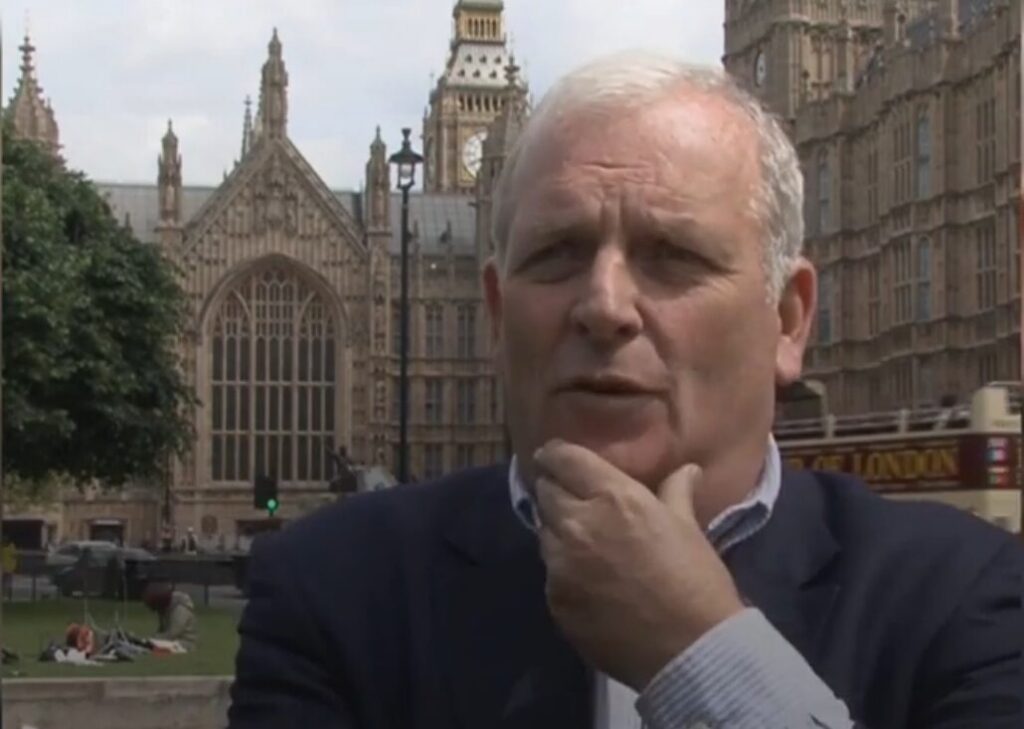
Furthermore, Despite MacKenzie’s apologies in 93’, in 2006 he was heard at a business lunch saying he wasn’t sorry back then and still isn’t now. This again led the public and people of Liverpool to very much view these delayed apologies as insincere and artificial.
The damage of Hillsborough and its reporting has lasted generations. With police fabricating accounts to deflect responsibility and claims based on rumours and harmful stereotypes, printed as “THE TRUTH”, Liverpool has been forced to spend decades defending itself, rather than grieving one of the darkest days in the city’s history. Hillsborough shows how journalism can be so impactful and why its so imperative that journalism is carried out with ethics and care, so the prolonged accusations and suffering that Merseyside has experienced since the disaster and its coverage, isn’t repeated.