

On a chilly Saturday morning in Blackpool’s Stanley Park, the sound of tennis balls richocheting across refurbished hard courts cuts through the air. Local residents have headed down to their local court where there is no membership fee or previous experience required, but rather a desire to play.
In a town like Blackpool, where rising costs have reshaped everyday life, the initiative has provided joy to many.
What was once considered a “posh” sport, associated with private member clubs and dress codes, is quickly being redefined thanks to the Lawn Tennis Association’s (LTA) latest initiative – ‘Free Parks Tennis’. The volunteer-led movement is helping tennis find a new identity, one rooted in accessibility rather than class.
And at a time when the cost of living crisis continues to haunt, the initiative could not be more welcomed.
For decades tennis has battled with stigmas. While sports like football and rounders dominate school playgrounds and extra-curricular activities, tennis is often ‘ignored’ by children and parents alike.
Unlike football or rugby which require no more than a ball and some open space, tennis has traditionally come with steep added costs. From rackets to expensive club memberships, these barriers have made tennis severely inaccessible for many families across the country.
It has long been viewed as a sport defined by class, exclusive to those middle-class and above. For those lower down in society, the sport appears out of reach completely.
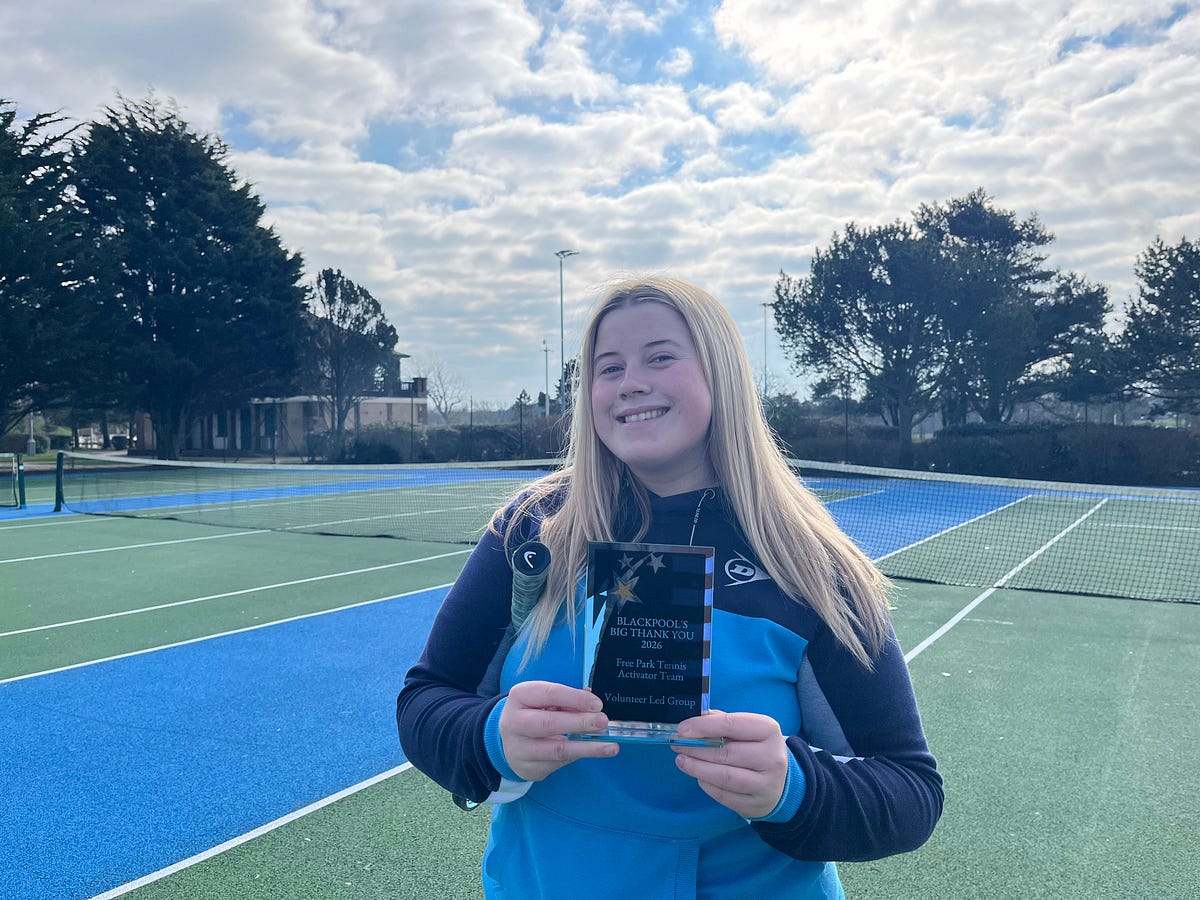
Georgia Wearing, a coach at Stanley Park, believes the initiative is helping tennis become more accessible.
She said: “Tennis isn’t pushed enough in schools and a lot of kids don’t get exposed to it in the same way as football.
“I also think there is a stigma around tennis and that it’s a bit of a posher sport, or it’s more expensive.
“Whereas people don’t know that we’re literally running this session free, with free equipment, that people can come down and play. You don’t need a racket or the best outfit, it’s all about coming down and playing no matter what experience you have.”
This ‘stigma’ reinforces a societal issue. If young people are not exposed to tennis early, and if the cost of equipment and court access remains high, the sport risks remaining out of reach for large sections of society.
That sentiment is why people head down to Stanley Park every Saturday at 10am – rain or shine.
In previous years, a lack of accessibility meant low participation numbers. But now, that cycle is starting to disrupt and Free Parks Tennis is right at the heart of the change.
While tennis captures the nation’s attention each summer with Wimbledon, strawberries and cream, and centre court drama, keeping people engaged beyond the Championships has always remained a challenge.
However, the tide appears to be turning.
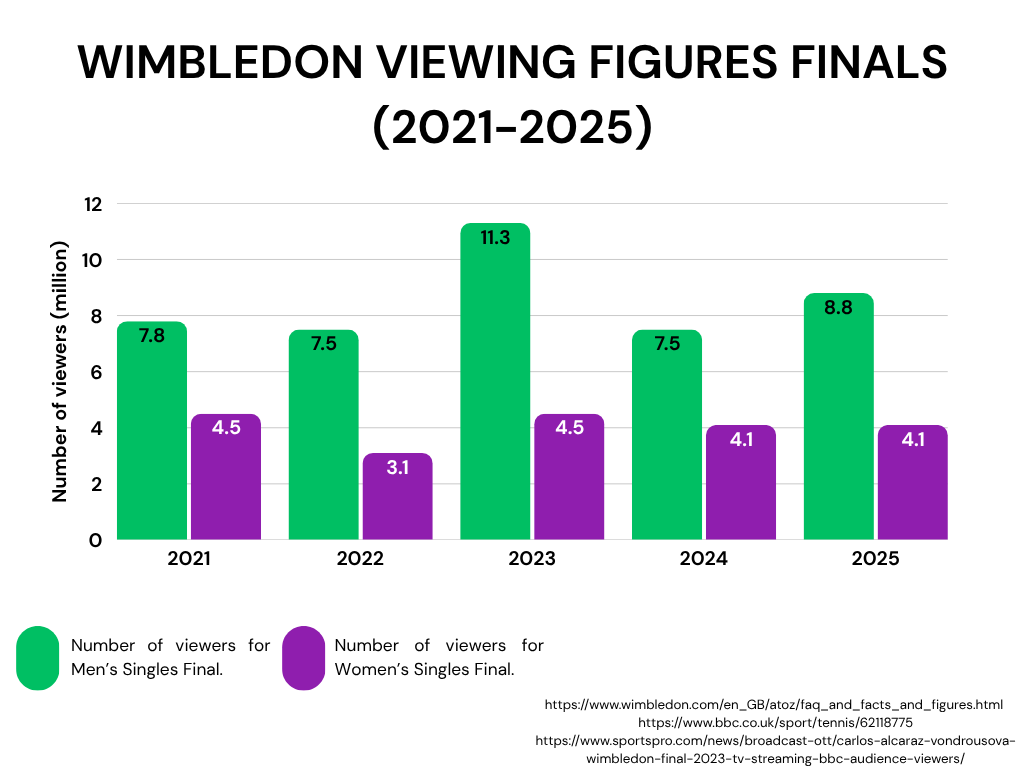
Last year’s Wimbledon saw 8.8 million people tune into the BBC as Jannik Sinner was crowned men’s singles champion for the first time.
While viewership peaked in 2023 when Carlos Alcaraz defeated the then 23-time Grand Slam Champion Novak Djokovic, tennis is continuing to grow fast in popularity.
Two-time Wimbledon champion Andy Murray has also voiced his support for the initiative which is inspiring many to take part.
But how could this commercial success be translated into participation across the country?
While this transformation is unfolding in Blackpool, it reflects a broader national effort. Capitalising on the surge of interest, the LTA launched its Parks Tennis Project in 2023.
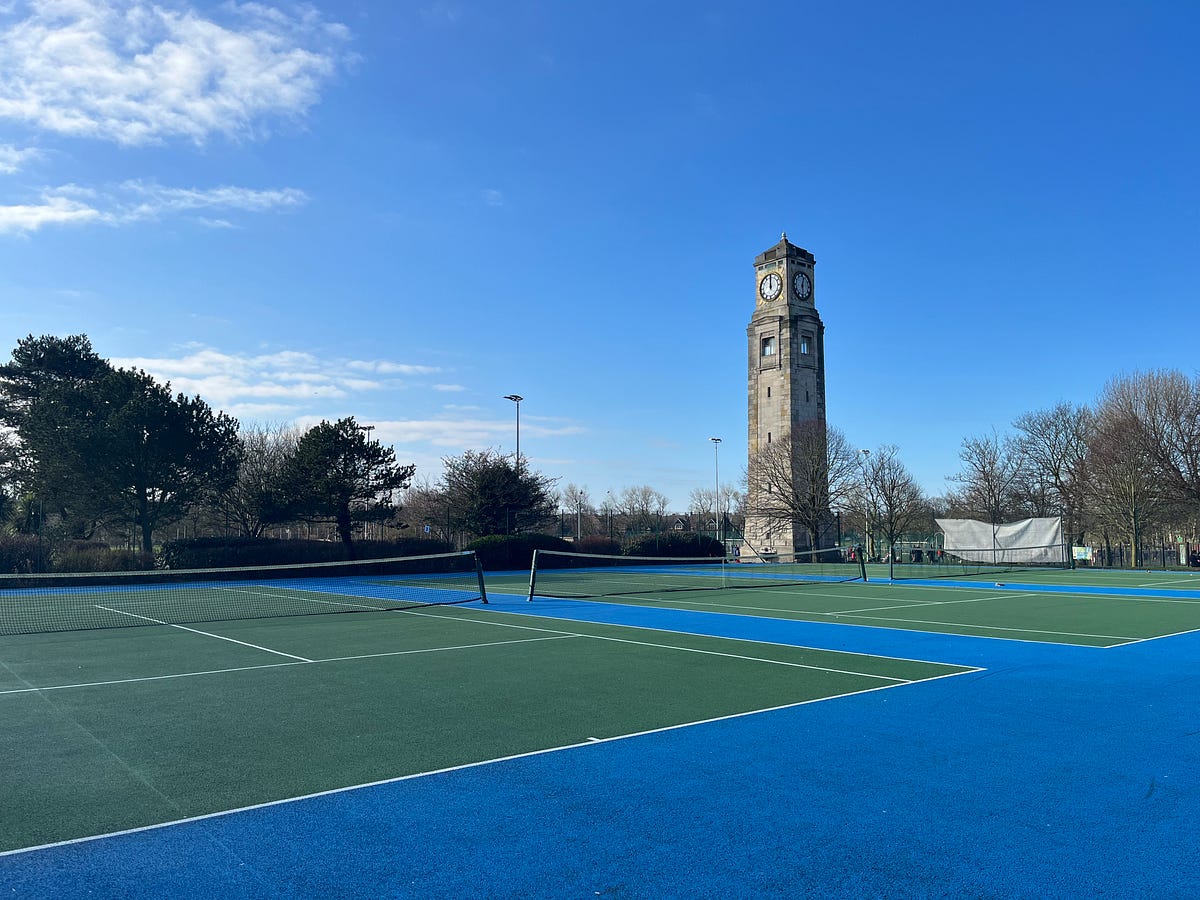
As part of the initiative four previously abandoned tennis courts at Stanley Park were reopened after funding from the LTA. While across Britain, more than 3,000 abandoned courts have been restored through the LTA’s biggest ever investment.
The concept is simply to remove the financial barriers and people will play.
Sam Foakes, Head of Delivery, LTA, said:
“When we began the Park Tennis project, 45% of park tennis courts were poor or unplayable condition, and the project’s ultimate goal was to open up access to tennis to more people across the country.
“The impact has been huge with half a million more people playing in Britain’s parks every year – 58% of our participants have never played before or are lapsed players, and over half say they play more as a result of our initiative.”
In Blackpool, the results were the same. By removing steep membership costs that exist in the region, Free Parks Tennis is offering something unique. It is offering something that has long been missing from the sport, a low-pressure pathway into the sport.

Vass Sudern, who works on the cardiac ward at Blackpool Victoria hospital, is a regular attendee at Stanley Park. She is a lifelong tennis fan but has never had the opportunity to play due to local clubs charging ‘extortionate’ membership prices.
“I’ve been coming and playing here [Stanley Park] since 2023, and I love it,” she said.
“It is amazing that we have such a session here for free for the people in the community. Because it’s a free session, it’s more enticing for people especially when there’s a lot of stress financially at the moment.”
Vass admits she tells friends and colleagues that the session is free which is met which both shock and intrigue.
“We tell our friends that it’s a free session and they say ‘oh wow, I’ll come down’, so it’s really great,” she continued.
In a town where disposable income is lower than the national average, the free session is much more than an incentive, it’s an invitation. And an invitation which is being gladly accepted.
Attendance has steadily grown over the past three years, with recent sessions drawing some of the highest numbers since the courts reopened. Beginners, families and returning players all share the same space, with the goal of enjoying newfound accessibility.
On these courts, there is no ‘typical’ tennis player. Individuals of all ages, abilities and backgrounds come together weekly and have adopted a real community spirit. Some players are picking up a racket for the first time, while others are rediscovering a sport they left behind years ago.
For a sport which has long struggled to answer who it belongs to, that question now feels a little less complicated.
It’s clear. Tennis needs to be made more accessible – remove the financial barriers and participation will increase.
If you feel like picking up a racket, you can visit lta.org.uk/book to book onto your local court.